
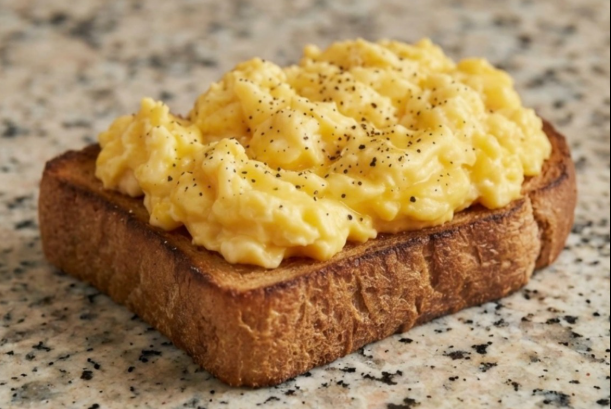
Perfect scrambled eggs are not a matter of luck—they are the result of precision, technique, and understanding texture. When prepared correctly, scrambled eggs should be soft, creamy, buttery, and rich, never dry, rubbery, or bland. In this comprehensive guide, we present a foolproof, chef-level method that delivers consistently luxurious scrambled eggs every single time.
This article is designed to be authoritative, detailed, and practical, covering everything from ingredient selection to professional cooking techniques, serving ideas, and storage best practices.
The Secret to Truly Perfect Scrambled Eggs
The difference between average scrambled eggs and restaurant-quality scrambled eggs lies in three core principles:
- Low and gentle heat
- Minimal but intentional movement
- Proper timing and carryover cooking awareness
Mastering these principles ensures soft curds, creamy consistency, and balanced flavor.
Essential Ingredients for Soft & Creamy Scrambled Eggs
High-quality ingredients directly affect the final texture and taste. We recommend keeping it simple and precise.
Core Ingredients
- Fresh large eggs – Fresher eggs produce better structure and flavor
- Unsalted butter – Provides richness and prevents sticking
- Salt – Enhances flavor and controls moisture
- Freshly ground black pepper – Optional, but recommended
Optional Enhancements
- Heavy cream or whole milk – For extra creaminess
- Crème fraîche or cream cheese – Adds luxurious texture
- Chives or fresh herbs – For a refined finish
Step-by-Step Method for Perfect Scrambled Eggs
1. Whisk Thoroughly for Maximum Fluffiness
Crack the eggs into a bowl and whisk vigorously until the yolks and whites are fully combined. This step incorporates air, which results in lighter, fluffier eggs with uniform texture.
2. Use the Right Pan and Tools
A nonstick skillet and silicone spatula are essential. They allow gentle movement without tearing curds or overheating the eggs.
3. Cook Low and Slow
Set the pan over low heat and add butter. Once melted but not browned, pour in the eggs. Cooking slowly preserves moisture and prevents protein overcoagulation, which causes rubbery eggs.
4. Gentle, Sweeping Motions Only
Stir the eggs using slow, sweeping motions, pulling from the edges toward the center. This technique forms soft, pillowy curds instead of small, dry fragments.
5. Remove from Heat Early
When the eggs look slightly underdone and glossy, remove them from the heat immediately. Residual heat will finish cooking them to perfection without overcooking.
Professional Tips for Next-Level Scrambled Eggs
Whisk Thoroughly
Incorporating air creates a light, airy structure that elevates texture.
Never Use High Heat
High heat forces proteins to tighten rapidly, squeezing out moisture and ruining texture.
Avoid Over-Stirring
Constant stirring breaks curds into mush. Controlled movement creates luxurious, creamy folds.
Season at the Right Time
Light salting before cooking helps retain moisture, while final seasoning adjusts flavor without drying the eggs.
Finish with Butter or Cream
A final touch of butter or dairy enriches flavor and gives eggs a silky finish.
Texture Guide: How Scrambled Eggs Should Look
Perfect scrambled eggs should be:
- Soft and moist
- Glossy, not matte
- Creamy, not watery
- Formed in large, tender curds
If eggs appear dry in the pan, they are already overcooked.
Serving Suggestions for the Best Scrambled Eggs Meal
With Avocado Toast
A balanced, creamy pairing that highlights texture and freshness.
With Crispy Bacon and Hash Browns
A classic, hearty breakfast that contrasts crisp and soft elements.
Topped with Smoked Salmon and Cream Cheese
An elegant brunch option with layered richness and salt balance.
As a Breakfast Burrito
Wrapped in a warm tortilla with cheese and salsa for a satisfying, portable meal.
On Buttered Sourdough
Simple, refined, and perfect for showcasing egg quality.
Common Mistakes That Ruin Scrambled Eggs
- Cooking over medium or high heat
- Using metal utensils that scrape the pan
- Over-stirring continuously
- Leaving eggs on the heat too long
- Skipping butter or fat
Avoiding these errors ensures consistent, restaurant-level results.
Storage and Reheating Tips
Refrigeration
Store leftover scrambled eggs in an airtight container for up to 2 days.
Gentle Reheating
Reheat slowly on the stovetop over low heat, stirring occasionally. Add a small amount of butter if needed. Avoid microwaving, as it dries out eggs and destroys texture.
Why This Scrambled Egg Method Works Every Time
- Creamy, buttery, and soft results
- Simple ingredients with maximum flavor
- No overcooked or rubbery eggs
- Perfect for breakfast, brunch, or quick dinners
- Scalable for one person or a crowd
This method is reliable, repeatable, and adaptable to personal taste preferences.
Final Thoughts on Mastering Scrambled Eggs
Scrambled eggs are deceptively simple, yet mastering them elevates everyday cooking. With careful heat control, proper technique, and attention to timing, we achieve consistently flawless scrambled eggs that rival the best professional kitchens.
Master this approach once, and dry, overcooked eggs will never appear on your plate again.