
Introduction
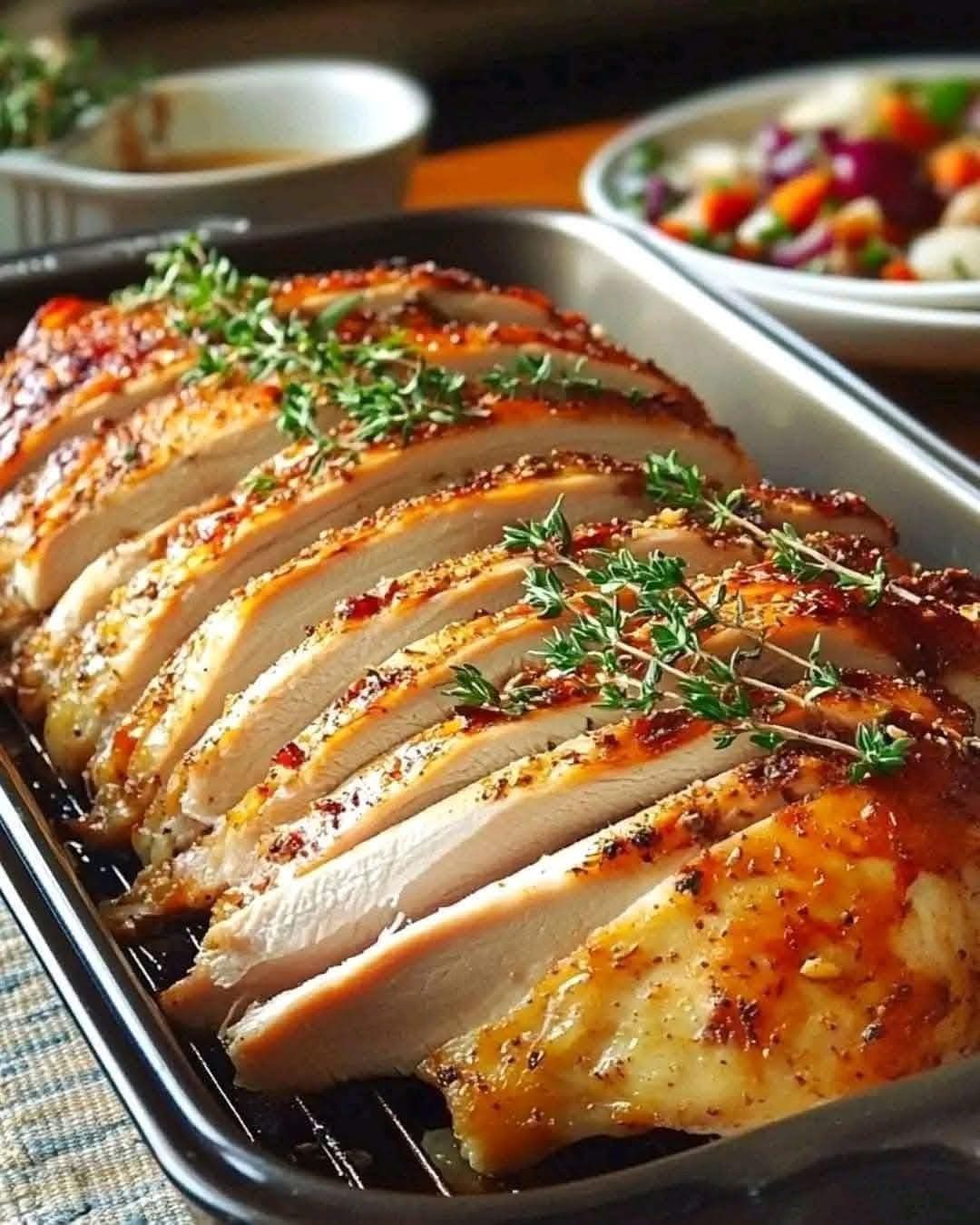
Christmas Roast Turkey Breast is a simple and delicious way to enjoy a classic holiday meal without preparing an entire turkey. This recipe produces tender, juicy turkey with a beautifully seasoned exterior, making it a wonderful centerpiece for Christmas dinner. With a few basic herbs and spices, you can create a flavorful roast that looks impressive on the holiday table while remaining easy to prepare.
Turkey breast is especially convenient for smaller families and gatherings because it requires less preparation and is easier to carve than a whole turkey. The combination of garlic, onion, thyme, paprika, and sage gives the turkey a warm, savory flavor that pairs perfectly with traditional Christmas side dishes. Serve it with mashed potatoes, gravy, stuffing, cranberry sauce, roasted vegetables, or dinner rolls for a complete holiday meal.
Origin and Cultural Significance
Roasted turkey has become an important part of holiday cooking, particularly in American and Canadian homes. Turkey is best known for its association with Thanksgiving, but it is also frequently served during Christmas celebrations. Over the years, families have developed their own favorite seasonings, roasting methods, and side dishes to accompany their holiday turkey.
Christmas dinner is often about more than the food itself. It is a time when families and friends gather together, share a special meal, and continue traditions that may have been passed down through generations. A beautifully roasted turkey breast can provide the centerpiece for this gathering without requiring the time and effort involved in preparing a whole turkey.
Turkey breast is also a practical option for smaller households. Instead of cooking a large bird and dealing with a considerable amount of leftovers, families can prepare a smaller roast while still enjoying the familiar flavors and traditions of a festive turkey dinner.
Ingredients Quantity
- 1 (4–6 lb) turkey breast, bone-in or boneless
- 3 tablespoons olive oil or melted butter
- 1 teaspoon garlic powder
- 1 teaspoon onion powder
- 1 teaspoon dried thyme
- 1 teaspoon paprika
- 1/2 teaspoon ground sage
- Salt and black pepper, to taste
- 1 cup chicken or turkey broth
The turkey breast is the main ingredient and can be either bone-in or boneless. A bone-in turkey breast can provide excellent flavor and a traditional presentation, while a boneless breast is generally easier to slice and serve.
Olive oil gives the turkey a light richness and helps the seasonings adhere to the surface. Melted butter can be used instead when you prefer a richer, more traditional flavor. Both options work well for creating a flavorful and nicely browned exterior.
Garlic powder and onion powder provide a savory base, while thyme and sage add the classic herbal flavors that work especially well with turkey. Paprika contributes mild flavor and helps give the roasted turkey an attractive golden color.
Chicken or turkey broth is placed in the bottom of the roasting pan. As the turkey cooks, the broth combines with the juices and seasonings from the turkey, creating flavorful pan juices that can be used for basting or making gravy.
Optional Additions
You can easily customize this Christmas turkey recipe according to your taste. Fresh herbs such as rosemary, thyme, sage, and parsley can be added around the turkey while it roasts. They provide a wonderful aroma and make the dish feel even more festive.
Fresh garlic can also be added to the roasting pan for extra flavor. A few cloves of garlic, along with sliced onion, carrots, and celery, can add depth to the pan juices and provide a flavorful base for homemade gravy.
For a slightly brighter flavor, add a few lemon slices to the roasting pan. Lemon works particularly well with thyme, garlic, and butter and gives the turkey a subtle fresh flavor.
If you prefer a richer turkey, use melted butter instead of olive oil. You can also carefully loosen the skin and rub some of the seasoned butter underneath it before roasting. This helps flavor the meat while contributing to a deliciously browned skin.
For a slightly sweet holiday flavor, a small amount of honey or maple syrup can be added toward the end of roasting. Apply sweet ingredients during the final part of cooking to reduce the chance of excessive browning.
Tips for Success
For the best results, make sure the turkey breast is completely thawed before cooking. If using a frozen turkey breast, thaw it safely in the refrigerator according to its size. Starting with a properly thawed turkey helps it cook more evenly.
Pat the turkey dry with paper towels before seasoning. Removing excess moisture from the surface helps the oil or butter and seasonings stick better and encourages better browning during roasting.
Season the turkey thoroughly. If the turkey breast has skin, gently loosen it where possible and rub some of the seasoning mixture underneath. This allows the herbs and spices to come into closer contact with the meat.
A meat thermometer is one of the most useful tools when roasting turkey. Cooking time can vary depending on the size and type of turkey breast, as well as your oven. The turkey should reach an internal temperature of 165°F (74°C) in the thickest part of the breast.
Avoid relying only on the cooking time listed in the recipe. The suggested 1 1/2 to 2 hours is an estimate, and some turkey breasts may cook faster or slower. Begin checking the internal temperature as the turkey approaches the expected cooking time.
Basting the turkey every 30 minutes with the pan juices helps keep the surface flavorful. However, avoid opening the oven more frequently than necessary because each time the door is opened, heat escapes and cooking can take longer.
Allow the turkey to rest for approximately 15 minutes after removing it from the oven. This gives the juices time to redistribute throughout the meat and makes the turkey easier to slice.
Use a sharp carving knife to cut the turkey into even slices. For the most tender texture, slice across the grain of the meat rather than along it.
Instructions
1. Preheat the Oven
Preheat your oven to 375°F (190°C). Allow the oven to fully reach the desired temperature before placing the turkey inside.
2. Prepare the Turkey Breast
Pat the turkey breast dry with paper towels. In a small bowl, combine the olive oil or melted butter with the garlic powder, onion powder, dried thyme, paprika, ground sage, salt, and black pepper.
Rub the seasoning mixture evenly over the entire turkey breast. If using a skin-on turkey breast, carefully rub some of the mixture underneath the skin as well. Make sure the turkey is well coated for the best flavor.
3. Place the Turkey in the Roasting Pan
Place the seasoned turkey breast on a rack inside a roasting pan. Pour 1 cup of chicken or turkey broth into the bottom of the pan, making sure the liquid does not completely cover the turkey.
The broth will combine with the turkey drippings during cooking and help create flavorful pan juices. These juices can also be used later to prepare homemade turkey gravy.
4. Roast the Turkey
Place the roasting pan in the preheated oven and roast for approximately 1 1/2 to 2 hours. Cooking time will vary depending on whether the turkey breast is bone-in or boneless and its exact weight.
Baste the turkey with the pan juices approximately every 30 minutes. Continue roasting until a meat thermometer inserted into the thickest part of the breast registers 165°F (74°C).
If the skin becomes too dark before the turkey is completely cooked, loosely cover the breast with aluminum foil and continue roasting until it reaches the correct internal temperature.
5. Rest the Turkey
Once the turkey reaches 165°F (74°C), carefully remove it from the oven. Place it on a cutting board or serving platter and allow it to rest for about 15 minutes.
Resting allows the juices to redistribute throughout the meat. This helps keep the turkey moist and makes it easier to produce clean, attractive slices.
6. Slice and Serve
After resting, use a sharp knife to slice the turkey breast into portions. Arrange the slices on a serving platter and spoon some of the flavorful pan juices over the top if desired.
Serve immediately with your favorite Christmas side dishes. Mashed potatoes, gravy, stuffing, cranberry sauce, roasted carrots, green beans, Brussels sprouts, and dinner rolls are all excellent choices.
Description
This Christmas Roast Turkey Breast is tender, juicy, savory, and full of comforting holiday flavor. The combination of garlic, onion, thyme, sage, and paprika creates a simple seasoning blend that enhances the natural flavor of the turkey without overpowering it.
The roasting process gives the outside a delicious golden appearance while the broth in the bottom of the pan helps create flavorful juices. Using butter instead of olive oil gives the turkey a richer flavor, while olive oil provides a lighter alternative.
The finished turkey is ideal for Christmas dinner, holiday gatherings, Sunday family meals, or any occasion when you want a comforting roasted poultry dish. It is also an excellent option for cooks who want the traditional experience of serving turkey without preparing a whole bird.
Leftover turkey can be refrigerated and used in sandwiches, wraps, salads, soups, casseroles, or other quick meals. This makes the recipe useful beyond Christmas Day and can help simplify meal planning during the busy holiday season.
Nutritional Information
The nutritional values of this recipe will vary depending on the size of the turkey breast, whether it is bone-in or boneless, whether the skin is eaten, and whether olive oil or butter is used. The amount of turkey served per person will also affect the nutritional content.
Turkey breast is naturally a good source of protein and provides several important nutrients. It can be part of a balanced meal when served with vegetables, whole grains, potatoes, or other nutritious side dishes.
Using olive oil instead of butter can change the overall fat profile of the recipe, while removing the skin can reduce the amount of fat in each serving. For a balanced Christmas dinner, consider serving the turkey with a generous selection of roasted or steamed vegetables and moderate portions of richer side dishes.
Estimated nutrition per serving will depend on portion size and ingredients used.
Conclusion
Christmas Roast Turkey Breast is an easy and reliable way to prepare a delicious holiday centerpiece without the extra work of roasting a whole turkey. With a simple blend of herbs and spices, a little olive oil or butter, and some broth, you can create tender and flavorful turkey that is perfect for a festive family dinner.
The recipe is straightforward enough for beginner cooks while offering plenty of opportunities for customization. Fresh herbs, garlic, lemon, vegetables, butter, or homemade gravy can all be used to make the dish your own.
Most importantly, remember to use a meat thermometer and cook the turkey until the thickest part reaches 165°F (74°C). Allowing the turkey to rest before slicing is equally important for achieving juicy and tender results.
Recommendation
For the best Christmas dinner experience, serve this roasted turkey breast with several traditional side dishes. Creamy mashed potatoes and homemade gravy make an especially comforting combination, while cranberry sauce provides a pleasant sweet and tart contrast to the savory turkey.
Roasted vegetables such as carrots, Brussels sprouts, green beans, or sweet potatoes can add color and variety to the table. A simple green salad can also provide a fresh contrast to the richer holiday dishes.
If you’re hosting a smaller Christmas gathering, this turkey breast is an excellent alternative to a whole turkey. It provides the centerpiece of a traditional holiday meal while making preparation, cooking, carving, and cleanup considerably easier.
Embracing Healthful Indulgence
Holiday meals are a time to enjoy delicious food, and there is no need to make Christmas dinner feel restrictive. The key is creating a balanced plate that combines flavorful foods with nutritious ingredients.
Turkey breast can fit naturally into a balanced holiday meal because it provides protein and can be paired with vegetables, potatoes, salads, and other wholesome foods. Choosing olive oil, adding plenty of vegetables, and keeping portions of richer sauces and sides moderate can help create a satisfying meal without taking away from the celebration.
Healthy eating during the holidays does not mean giving up the foods you enjoy. Instead, it can mean enjoying traditional dishes thoughtfully while including a variety of nutritious foods on the table.
This Christmas Roast Turkey Breast is a great example of how a festive meal can be both comforting and balanced. Gather your family and friends, prepare your favorite side dishes, and enjoy the warmth and tradition of a homemade Christmas dinner.
Enjoy Your Christmas Roast Turkey Breast!
Prep Time: 15 minutes
Cook Time: 1 1/2–2 hours
Resting Time: 15 minutes
Total Time: Approximately 2 hours 30 minutes
Servings: 6–8, depending on portion size
Temperature: 375°F (190°C)
Turkey Internal Temperature: 165°F (74°C)