
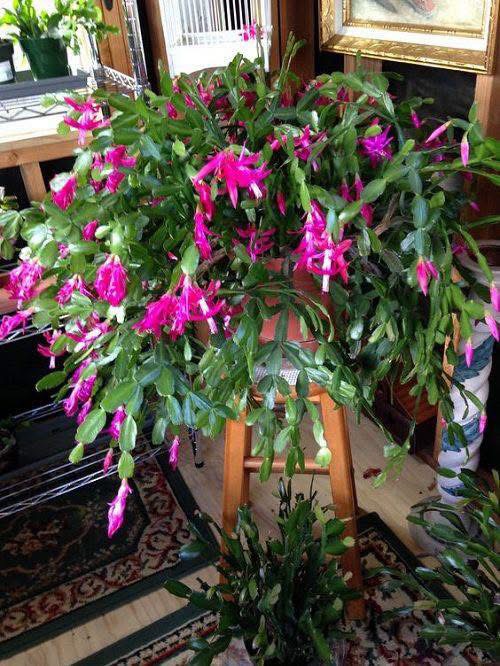
September is one of the most important months in the annual cycle of a Christmas cactus (Schlumbergera). While the plant may still look like an ordinary houseplant, it is quietly beginning the process that leads to those vivid winter flowers. The right conditions now—especially regarding light, temperature, and watering—can make the difference between a sparse showing and a plant covered in buds.
Here’s a clear, practical guide to the five most effective steps you can take this month.
1. Provide Longer, Uninterrupted Nights of Darkness
Christmas cacti are short-day plants. Flower buds form in response to long nights of continuous darkness, typically 12–14 hours each night for several consecutive weeks.
Starting in September:
- Move the plant away from rooms that stay lit in the evening.
- Avoid placing it near televisions, lamps, or streetlights that shine through windows.
- If you cannot control ambient light, cover the plant with a light-proof box or opaque cloth from early evening until morning.
Even brief interruptions of light can delay or reduce bud formation. Consistency over 4–6 weeks is more important than perfection on any single night.
2. Offer Cooler Nighttime Temperatures
Cooler nights help trigger the hormonal changes that lead to flowering. Aim for nighttime temperatures between 55–65°F (13–18°C) whenever possible.
Practical ways to achieve this:
- Move the plant to a cooler room, porch, or unheated spare bedroom at night.
- Keep it away from heating vents, radiators, and drafty windows that cause rapid temperature swings.
- Daytime temperatures can remain in the normal indoor range (around 65–75°F / 18–24°C).
Avoid sudden drops or rises in temperature. Gradual, steady cool nights work best.
3. Adjust Your Watering Routine
As the plant shifts toward bud formation, its water needs change. Continuously wet soil can lead to root issues and sometimes contribute to bud drop later.
In September:
- Allow the top 1–2 inches (2.5–5 cm) of soil to dry slightly before watering again.
- Water thoroughly when you do water, so moisture reaches the roots, then let excess drain away.
- Never let the plant dry out completely to the point of shriveling, but avoid the constant moisture common in summer.
Use room-temperature water and empty any saucer under the pot after 15–20 minutes. A slightly drier routine now supports healthier bud development.
4. Hold Off on Pruning and Repotting
September is not the time for major structural work if blooms are your goal. Pruning or repotting can stress the plant and interrupt the bud-initiation process.
- Leave healthy segments intact.
- Remove only clearly dead, damaged, or diseased pieces if necessary.
- Delay any planned repotting until after the plant has finished flowering in late winter or early spring.
- If you want a fuller, bushier plant, the best time to take cuttings or shape it is after the blooms fade.
Disturbing the roots or removing too many segments now often results in fewer flowers.
5. Maintain Bright, Indirect Light During the Day
While long nights are essential, the plant still needs good light during daylight hours to build energy for flowering.
Ideal conditions:
- Place the Christmas cactus in a location that receives bright, filtered light for most of the day.
- An east-facing window is often excellent. A south- or west-facing window works if the plant is set back a few feet or protected by a sheer curtain.
- Avoid harsh, direct afternoon sun that can scorch the leaf-like segments.
Healthy, well-lit growth in September and October supports stronger bud production later.
The Importance of Consistency Once Buds Appear
Once you see the first tiny flower buds forming (usually in late fall), keep conditions as stable as possible. Sudden changes in light, temperature, watering, or location are common causes of bud drop. Choose a permanent spot and leave the plant there until flowering is finished.
Quick September Checklist
- Long, dark nights (12–14 hours)
- Cooler nights (55–65°F / 13–18°C)
- Slightly reduced watering frequency
- No major pruning or repotting
- Bright, indirect daytime light
- Stable conditions once buds form
Follow these steps consistently through September and into early fall, and your Christmas cactus will be well positioned for a strong floral display later in the season. With the right preparation now, the plant rewards you with abundant blooms when the days are shortest and indoor color is most welcome.