
Introduction
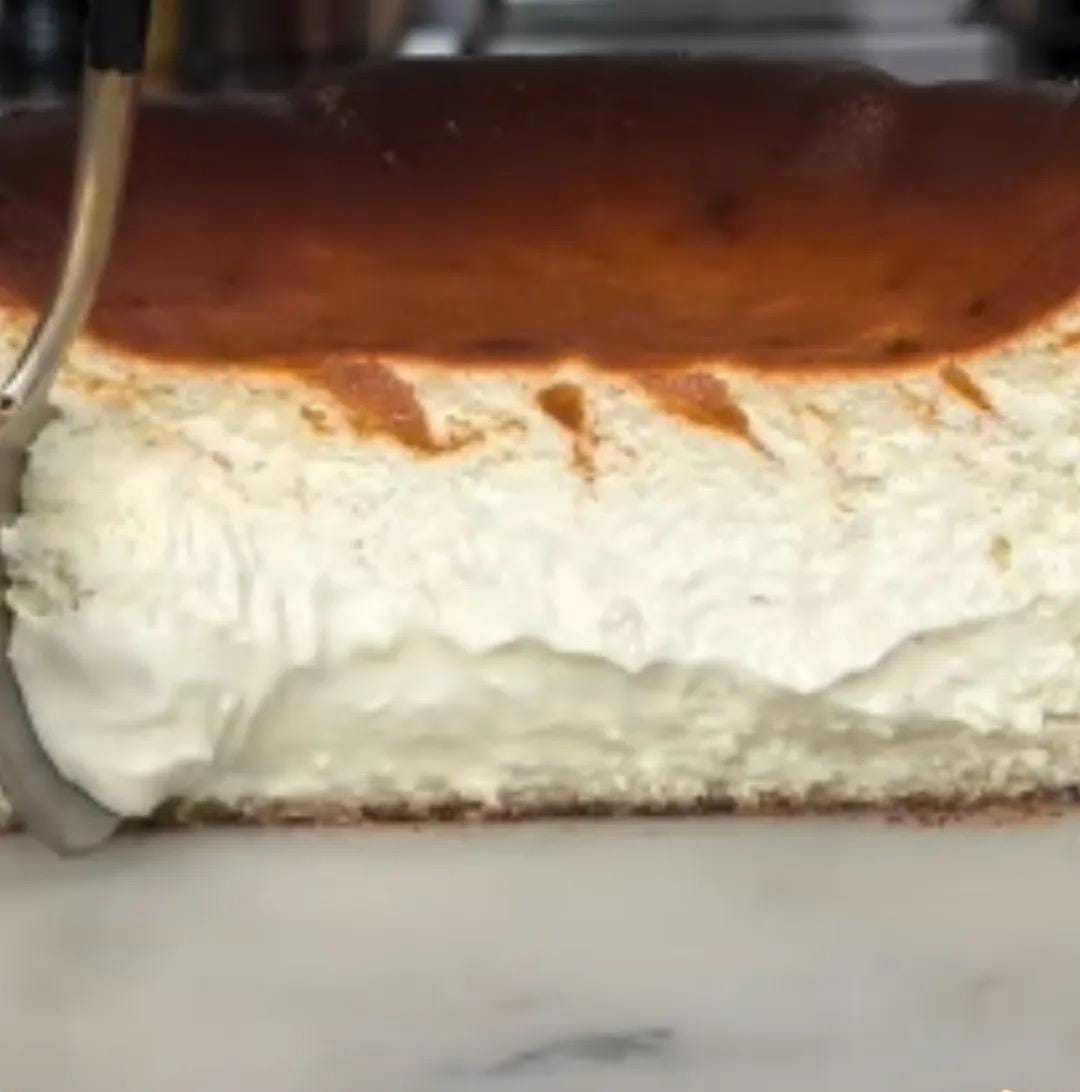
San Sebastian Cheesecake, also known as Burnt Basque Cheesecake, is a strikingly simple yet deeply luxurious dessert that originated in the Basque region of Spain. Unlike traditional cheesecakes that aim for smooth, pale perfection, this cheesecake celebrates contrast: a deeply caramelized, nearly burnt exterior that gives way to an impossibly creamy, custard-like center. It is rustic, dramatic, and unapologetically rich, making it one of the most beloved modern desserts in bakeries and restaurants around the world.
What makes this cheesecake so special is its balance. The high heat of the oven caramelizes the sugars on the surface, creating complex flavors that hint at toasted sugar and vanilla, while the interior remains soft, silky, and almost spoonable. There is no crust to distract from the filling, no water bath to manage, and no fussy decoration required. This is a cheesecake that relies entirely on quality ingredients, correct ratios, and confident baking.
This version is a professional, bakery-style recipe designed to give you consistent, show-stopping results every time. With a high proportion of cream cheese and cream, carefully measured sugar, and just enough flour to stabilize the custard, this cheesecake delivers the iconic texture and flavor that defines a perfect San Sebastian Cheesecake.
What Makes San Sebastian Cheesecake Different
Unlike New York–style cheesecake, which is dense and structured, San Sebastian Cheesecake is intentionally soft and creamy. It is baked at a very high temperature, which causes the top to brown quickly and deeply. The parchment-lined pan allows the batter to rise dramatically and then fall slightly as it cools, creating its signature rustic look with cracked, wrinkled edges.
There is no crust, which allows the custard-like filling to be the star. The addition of heavy cream creates a lighter mouthfeel, while a small amount of flour provides just enough structure so the cheesecake holds its shape when sliced but still melts on the tongue. Lemon juice and sea salt balance the richness and prevent the dessert from tasting overly sweet.
Ingredients
Dairy
- 1 kg full-fat cream cheese, softened
- 600 grams heavy whipping cream
Sweeteners and Flavorings
- 320 grams granulated sugar
- 15 grams vanilla extract
- 30 grams fresh lemon juice
Structure and Balance
- 6 large eggs, room temperature
- 30 grams all-purpose flour
- 5 grams sea salt
Using full-fat cream cheese is essential. Reduced-fat or whipped cream cheese will not produce the correct texture or richness. All ingredients should be at room temperature before mixing to ensure a smooth, lump-free batter.
Equipment Needed
- 10-inch springform pan
- Parchment paper
- Large mixing bowl
- Hand mixer or stand mixer
- Fine mesh sieve
- Spatula
- Baking sheet
Preparation
Preparing the Pan
Line the springform pan with parchment paper, allowing the paper to extend well above the sides of the pan. This overhang supports the batter as it rises and creates the signature crinkled edges. Place the pan on a baking sheet to catch any leaks during baking.
Preheating the Oven
Preheat your oven to 425°F (220°C). The high temperature is critical to achieving the burnt top and creamy interior. Do not use convection for this recipe unless you are experienced with your oven’s behavior.
Making the Cheesecake Batter
In a large bowl, beat the softened cream cheese until completely smooth. Take your time with this step, as any lumps will remain in the finished cheesecake. Scrape down the sides of the bowl frequently.
Gradually add the sugar and continue mixing until fully incorporated and creamy. The mixture should look glossy and smooth.
Add the eggs one at a time, mixing on low speed after each addition. Avoid overmixing, as incorporating too much air can cause cracks and uneven baking.
Pour in the heavy whipping cream, followed by the vanilla extract and fresh lemon juice. Mix gently until combined.
Sift the flour and sea salt together, then add them to the batter. Mix just until incorporated. The batter will be thin and pourable, which is exactly what you want.
Baking the Cheesecake
Carefully pour the batter into the prepared pan. Gently tap the pan on the counter to release any air bubbles.
Bake in the preheated oven for 45 to 55 minutes. The top should be deeply golden to dark brown, almost burnt, while the center should still jiggle significantly when shaken. This jiggle indicates a creamy interior.
Remove the cheesecake from the oven and allow it to cool in the pan at room temperature. As it cools, it will deflate slightly and the center will continue to set.
Cooling and Setting
Once the cheesecake has cooled to room temperature, refrigerate it for at least 4 hours, preferably overnight. Chilling allows the flavors to develop and the texture to reach its ideal consistency.
For a very creamy, custard-like center, serve the cheesecake slightly chilled. For cleaner slices, allow it to chill longer before cutting.
Serving Suggestions
San Sebastian Cheesecake is traditionally served plain, allowing its complex flavors to shine. However, it also pairs beautifully with fresh berries, lightly sweetened whipped cream, or a drizzle of honey. Avoid heavy toppings that overpower the delicate balance of flavors.
Use a sharp knife dipped in hot water and wiped clean between slices for the neatest presentation.
Storage
Store leftover cheesecake covered in the refrigerator for up to 5 days. The texture may become slightly firmer over time, but the flavor will remain rich and satisfying.
This cheesecake can also be frozen. Wrap individual slices tightly and freeze for up to 2 months. Thaw overnight in the refrigerator before serving.
Tips for Perfect Results
- Always use room-temperature ingredients
- Do not overmix the batter
- Embrace the dark top; it is essential to the flavor
- Trust the jiggle; underbaking slightly is key
Why This Recipe Works
This recipe uses professional ratios to ensure consistency and balance. The high cream content creates silkiness, the flour stabilizes the custard without making it dense, and the high heat produces the iconic burnt exterior. It is a recipe designed for confidence, simplicity, and indulgence.
San Sebastian Cheesecake proves that perfection does not require complexity. With quality ingredients and proper technique, this dessert delivers an unforgettable experience in every bite.